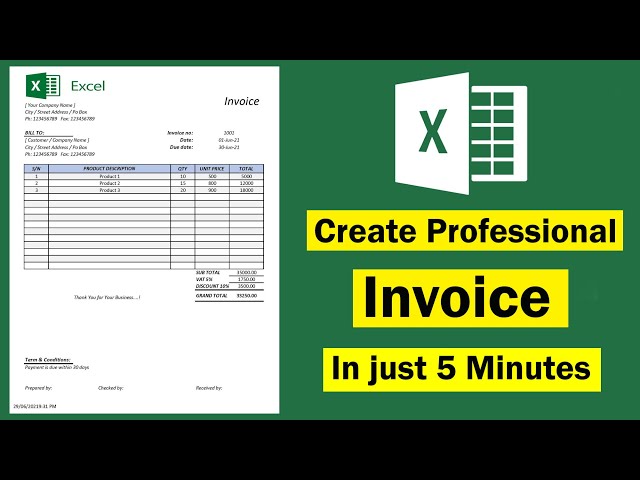
A GST tax invoice format sample is a pre-designed template or document that serves as a guide for businesses to prepare accurate and compliant invoices under the Goods and Services Tax (GST) regime. For instance, an invoice detailing the sale of goods or services could use a GST tax invoice format sample to include essential information like the GST registration number, the description of goods or services, the quantity, the applicable tax rate, and the total amount payable. This sample format ensures consistency, minimizes errors, and eases compliance with GST regulations.
GST tax invoice format samples are of paramount importance as they provide businesses with a standardized framework for invoice creation, ensuring compliance with tax authorities and streamlining the invoicing process. These templates also facilitate accurate GST calculation and reporting, reducing the risk of penalties or legal complications. Historically, the introduction of GST in India brought about significant changes in the invoicing system, making GST tax invoice format samples essential tools for businesses to adapt to the new tax regime.
This article will delve deeper into the elements of a GST tax invoice format sample, its relevance to different business scenarios, and best practices for its effective utilization in GST compliance and business operations.
GST Tax Invoice Format Sample
Essential aspects of a GST tax invoice format sample include the following:
- Supplier Details: GSTIN, Name, Address, Contact Information
- Recipient Details: GSTIN, Name, Address, Contact Information
- Invoice Number and Date: Unique Invoice Number, Date of Invoice
- Description of Goods/Services: HSN/SAC Code, Quantity, Unit Price, Total Amount
- Taxable Value: Total Value of Goods/Services before GST
- GST Rate: Applicable GST Rate (e.g., 5%, 12%, 18%, 28%)
- GST Amount: GST Payable on the Goods/Services
- Total Invoice Value: Total Amount Payable, including GST
- Terms of Payment: Mode of Payment, Payment Due Date
These aspects are crucial for ensuring the accuracy and compliance of GST tax invoices. They provide a clear and comprehensive record of the transaction, including details of the supplier, recipient, goods/services, applicable taxes, and payment terms. Understanding and correctly incorporating these aspects into GST tax invoices is essential for businesses to fulfill their GST compliance obligations, avoid penalties, and maintain proper accounting records.
Supplier Details
In a GST tax invoice format sample, the section titled “Supplier Details: GSTIN, Name, Address, Contact Information” holds critical importance. It serves as the foundation for establishing the identity and credibility of the business issuing the invoice. The GSTIN (Goods and Services Tax Identification Number) is a unique 15-digit code assigned to every GST-registered business in India. Its inclusion in the invoice format is mandatory as it allows the recipient to verify the supplier’s GST registration status and ensures the authenticity of the transaction. Additionally, the supplier’s name, address, and contact information provide essential details for communication, record-keeping, and follow-up purposes.
The accuracy and completeness of the supplier details are crucial as they impact the validity and legal compliance of the GST tax invoice. Any discrepancies or errors in this information can lead to rejection of the invoice by the tax authorities, resulting in penalties or legal complications. Furthermore, having accurate supplier details facilitates seamless business communication, efficient delivery of goods/services, and timely payments.
In practical applications, the “Supplier Details: GSTIN, Name, Address, Contact Information” section serves various purposes. It enables the recipient to identify the supplier, contact them for queries or clarifications, and verify the authenticity of the invoice through the GST portal. Additionally, these details are essential for maintaining proper accounting records, ensuring transparency, and facilitating audits or inspections by tax authorities.
Recipient Details
Within the framework of a GST tax invoice format sample, the section titled “Recipient Details: GSTIN, Name, Address, Contact Information” carries significant importance in establishing the identity of the party receiving the goods or services and facilitating effective communication. This information plays a crucial role in ensuring the accuracy and validity of the invoice, seamless delivery of goods/services, and timely payments.
-
Recipient GSTIN:
The recipient’s GSTIN is a mandatory field in the invoice format. It allows for verification of the recipient’s GST registration status, ensuring the authenticity of the transaction. Accurate recording of the GSTIN facilitates seamless business communication and GST-related processes, such as claiming input tax credit.
-
Recipient Name and Address:
The recipient’s name and address provide essential details for the delivery of goods/services and for maintaining proper accounting records. Clear and accurate information in this section ensures that the goods/services reach the intended recipient in a timely manner and aids in effective follow-up and communication.
-
Recipient Contact Information:
Contact information, including phone number and email address, enables efficient communication between the supplier and the recipient. It facilitates prompt resolution of queries, timely delivery updates, and effective coordination throughout the business transaction.
In summary, the “Recipient Details: GSTIN, Name, Address, Contact Information” section in a GST tax invoice format sample plays a pivotal role in establishing the identity of the recipient, ensuring accurate and timely delivery of goods/services, and facilitating seamless communication. Proper recording of these details is essential for maintaining GST compliance, efficient business operations, and avoiding potential disputes or delays.
Invoice Number and Date
Within the framework of a GST tax invoice format sample, the section titled “Invoice Number and Date: Unique Invoice Number, Date of Invoice” holds significant importance in establishing the authenticity and validity of the invoice. It serves as a unique identifier for each transaction, ensuring compliance with GST regulations and facilitating efficient record-keeping and tracking.
-
Unique Invoice Number:
The unique invoice number is a distinctive identification code assigned to each GST tax invoice. It plays a crucial role in preventing invoice duplication, maintaining chronological order, and enabling easy referencing for future retrieval, audits, or dispute resolution.
-
Date of Invoice:
The date of invoice indicates the day on which the invoice was issued and the goods/services were supplied. It serves as a reference point for determining the tax period, calculating due dates for tax payments, and establishing the time frame for claiming input tax credit by the recipient.
-
Invoice Series:
Some businesses may use an invoice series to further organize and track their invoices. The invoice series is typically a prefix or suffix added to the unique invoice number, indicating a specific invoice sequence or batch.
-
GST Return Filing:
The invoice number and date are crucial for GST return filing. They enable businesses to accurately report their sales and purchases, ensuring compliance and avoiding discrepancies or errors in their GST returns.
In summary, the “Invoice Number and Date: Unique Invoice Number, Date of Invoice” section in a GST tax invoice format sample is essential for establishing the uniqueness, validity, and traceability of each invoice. It facilitates efficient record-keeping, supports GST compliance, and provides a solid foundation for accounting and auditing purposes. Accurate and consistent recording of these details is vital for businesses to maintain their credibility, avoid legal complications, and ensure smooth functioning of their operations.
Description of Goods/Services
The section titled “Description of Goods/Services: HSN/SAC Code, Quantity, Unit Price, Total Amount” in a GST tax invoice format sample holds critical importance as it provides a detailed breakdown of the goods or services supplied, along with their respective quantities, unit prices, and total amounts. This information is essential for accurate tax calculation and reporting, ensuring compliance with GST regulations.
The HSN (Harmonized System of Nomenclature) code or SAC (Services Accounting Code) is a unique identifier assigned to each good or service. It is mandatory to mention the HSN/SAC code in the invoice to classify the goods/services correctly and determine the applicable GST rate. The quantity indicates the number of units of goods supplied or the extent of services rendered. The unit price refers to the price per unit of goods or services, and the total amount is the result of multiplying the unit price by the quantity.
Real-life examples of “Description of Goods/Services: HSN/SAC Code, Quantity, Unit Price, Total Amount” within a GST tax invoice format sample include:
- Sale of 10 units of Product A (HSN code: 8471.70) at a unit price of 100, resulting in a total amount of 1,000.
- Provision of 5 hours of Consultancy Services (SAC code: 998315) at a unit price of 500 per hour, leading to a total amount of 2,500.
Understanding the connection between “Description of Goods/Services: HSN/SAC Code, Quantity, Unit Price, Total Amount” and “GST tax invoice format sample” is crucial for businesses to ensure accurate GST calculation and compliance. Errors or omissions in this section can lead to incorrect tax liability, penalties, and legal complications. Therefore, it is essential to pay close attention to the details and ensure that the information provided in this section is accurate and complete.
Taxable Value
Within the framework of a GST tax invoice format sample, the section titled “Taxable Value: Total Value of Goods/Services before GST” holds significant importance in determining the GST liability for a transaction. It represents the total value of the goods or services supplied, excluding any discounts, GST, or other charges.
-
Pre-GST Amount:
The taxable value serves as the base amount on which GST is calculated. It represents the total value of the goods or services before the application of GST and is crucial for accurate tax calculation.
-
Inclusive of Discounts:
Discounts offered on the goods or services should be deducted from the total value before arriving at the taxable value. This ensures that GST is calculated on the net amount after considering any discounts provided.
-
Excluding GST:
The taxable value excludes the GST amount itself. It is important to separate the taxable value from the GST amount to ensure correct tax computation and reporting.
-
Impact on GST Liability:
The taxable value directly impacts the GST liability of a transaction. A higher taxable value results in a higher GST liability, while a lower taxable value leads to a lower GST liability.
In summary, the “Taxable Value: Total Value of Goods/Services before GST” section in a GST tax invoice format sample plays a vital role in determining the GST liability and ensuring compliance with tax regulations. Accurate calculation and reporting of the taxable value are crucial to avoid discrepancies, penalties, and legal complications.
GST Rate
The “GST Rate: Applicable GST Rate (e.g., 5%, 12%, 18%, 28%)” section in a GST tax invoice format sample plays a crucial role in determining the GST liability for a transaction. It represents the rate at which GST is applied to the taxable value of goods or services and is a critical component of the invoice format.
The GST rate is determined based on the type of goods or services supplied and is categorized into different slabs. The most common GST rates in India are 5%, 12%, 18%, and 28%. The applicable GST rate is mentioned in the invoice format to ensure that the correct amount of GST is charged and reported.
Real-life examples of “GST Rate: Applicable GST Rate (e.g., 5%, 12%, 18%, 28%)” within a GST tax invoice format sample include:
- Sale of groceries (GST rate: 5%)
- Provision of transportation services (GST rate: 12%)
- Sale of electronic goods (GST rate: 18%)
- Sale of luxury items (GST rate: 28%)
Understanding the connection between “GST Rate: Applicable GST Rate (e.g., 5%, 12%, 18%, 28%)” and “gst tax invoice format sample” is crucial for businesses to ensure accurate GST calculation and compliance. Errors in applying the correct GST rate can lead to incorrect tax liability, penalties, and legal complications.
GST Amount
The section titled “GST Amount: GST Payable on the Goods/Services” in a GST tax invoice format sample holds critical importance as it represents the Goods and Services Tax (GST) payable on the transaction. It is calculated by applying the applicable GST rate to the taxable value of the goods or services supplied.
The GST amount is a crucial component of the GST tax invoice format sample as it determines the tax liability of the supplier and the input tax credit available to the recipient. Accurate calculation and reporting of the GST amount are essential for compliance with GST regulations and to avoid penalties or legal complications.
Real-life examples of “GST Amount: GST Payable on the Goods/Services” within a GST tax invoice format sample include:
- Sale of goods worth 10,000 with a GST rate of 18%, resulting in a GST amount of 1,800.
- Provision of services worth 5,000 with a GST rate of 12%, leading to a GST amount of 600.
Understanding the relationship between “GST Amount: GST Payable on the Goods/Services” and “gst tax invoice format sample” is essential for businesses to ensure accurate GST calculation, compliance, and effective utilization of input tax credit. Errors or omissions in calculating the GST amount can have significant financial and legal implications.
Total Invoice Value
The “Total Invoice Value: Total Amount Payable, including GST” section in a GST tax invoice format sample holds significant importance as it represents the total amount payable for the goods or services supplied, inclusive of the GST amount. It is the final amount that the recipient is obligated to pay.
The Total Invoice Value is calculated by adding the taxable value and the GST amount. It is a critical component of the GST tax invoice format sample as it serves as the basis for payment and accounting. Accurate calculation and reporting of the Total Invoice Value are essential for compliance with GST regulations and to avoid discrepancies or legal complications.
Real-life examples of Total Invoice Value within a GST tax invoice format sample include:
- Sale of goods worth 10,000 with a GST rate of 18%, resulting in a Total Invoice Value of 11,800 (including GST of 1,800).
- Provision of services worth 5,000 with a GST rate of 12%, leading to a Total Invoice Value of 5,600 (including GST of 600).
Understanding the connection between Total Invoice Value and GST tax invoice format sample is crucial for businesses to ensure accurate invoicing, GST compliance, and effective financial management. Errors or omissions in calculating the Total Invoice Value can have financial and legal implications.
Terms of Payment
The section titled “Terms of Payment: Mode of Payment, Payment Due Date” in a GST tax invoice format sample plays a crucial role in defining the payment terms and expectations between the supplier and the recipient. It specifies the acceptable modes of payment and establishes the due date for payment, ensuring timely settlement of invoices and proper cash flow management.
The Terms of Payment section is a critical component of the GST tax invoice format sample as it directly impacts the financial transactions and legal obligations of both parties. Clear and precise terms of payment facilitate efficient invoicing, reduce payment delays, and minimize disputes. Real-life examples of “Terms of Payment: Mode of Payment, Payment Due Date” within a GST tax invoice format sample include:
- Payment via bank transfer, with a payment due date of 15 days from the invoice date.
- Cash on delivery, payable upon receipt of goods or services.
- Credit card payment, with the payment due date aligned with the credit card statement cycle.
Understanding the connection between “Terms of Payment: Mode of Payment, Payment Due Date” and “gst tax invoice format sample” is essential for businesses to establish clear payment expectations, manage cash flow effectively, and maintain healthy business relationships. Proper adherence to the agreed-upon payment terms promotes financial discipline, reduces the risk of late payments, and enhances the overall efficiency of the invoicing process.
Frequently Asked Questions about GST Tax Invoice Format Sample
This FAQ section provides answers to common questions and clarifies essential aspects of using GST tax invoice format samples. These questions anticipate reader inquiries and aim to enhance the understanding of invoice formats under the Goods and Services Tax (GST) regime.
Question 1: What is a GST tax invoice format sample?
Answer: A GST tax invoice format sample is a pre-designed template or document that serves as a guide for businesses to prepare accurate and compliant invoices under the GST regime. It includes essential information like GST registration number, description of goods/services, tax rates, and total payable amount.
Question 2: Why are GST tax invoice format samples important?
Answer: GST tax invoice format samples are crucial for ensuring compliance with tax authorities, minimizing errors, and streamlining the invoicing process. They provide a standardized framework for invoice creation, reducing the risk of penalties or legal complications.
Question 3: What are the key elements of a GST tax invoice format sample?
Answer: Essential elements include supplier and recipient details, invoice number and date, description of goods/services, taxable value, GST rate, GST amount, and total invoice value. These elements ensure the accuracy and completeness of GST tax invoices.
Question 4: How can businesses use GST tax invoice format samples effectively?
Answer: Businesses can incorporate these samples into their invoicing systems to create compliant GST tax invoices. Proper understanding and utilization of the format help avoid errors, reduce the risk of non-compliance, and facilitate efficient GST accounting and reporting.
Question 5: What are the benefits of using GST tax invoice format samples?
Answer: Benefits include enhanced accuracy, reduced compliance risks, streamlined invoicing processes, improved cash flow management, and better relationships with tax authorities due to adherence to GST regulations.
Question 6: Where can businesses find GST tax invoice format samples?
Answer: GST tax invoice format samples are readily available on official government websites, accounting software platforms, and business resource portals. Businesses can choose a sample that aligns with their specific industry and invoice requirements.
These FAQs provide a comprehensive overview of GST tax invoice format samples, their importance, key elements, usage, benefits, and accessibility. Understanding and implementing these samples effectively is crucial for businesses to maintain compliance, optimize invoicing processes, and avoid potential legal or financial penalties.
As we delve deeper into the intricacies of GST tax invoice formats, the following section will explore best practices, common errors to avoid, and advanced tips for maximizing the efficiency and accuracy of GST tax invoices.
Tips for Optimizing GST Tax Invoices
This section provides valuable tips to help businesses enhance the accuracy, efficiency, and compliance of their GST tax invoices. By incorporating these best practices, businesses can streamline their invoicing processes, reduce the risk of errors, and maintain a strong foundation for GST compliance.
Tip 1: Use GST-compliant invoicing software or templates: Utilizing specialized software or pre-designed templates ensures that GST tax invoices adhere to the latest GST regulations and industry standards, reducing the likelihood of errors and non-compliance.
Tip 2: Verify recipient GSTIN before issuing invoices: Confirming the recipient’s GSTIN prior to invoice issuance helps prevent incorrect GST calculation and potential legal complications arising from issuing invoices to unregistered recipients.
Tip 3: Maintain accurate records and supporting documents: Retain proper documentation, such as purchase orders, delivery challans, and payment receipts, to substantiate the information provided in GST tax invoices. This documentation serves as evidence in case of audits or disputes.
Tip 4: Clearly indicate HSN/SAC codes: Accurately specifying the HSN (Harmonized System of Nomenclature) or SAC (Services Accounting Code) for each item or service ensures correct GST rate application and avoids discrepancies during tax calculation.
Tip 5: Review invoices before finalization: Implement a thorough review process to check for errors in calculations, GST rates, and other invoice details before finalizing and issuing GST tax invoices.
Tip 6: Use digital signatures for electronic invoices: Employing digital signatures for e-invoices adds an extra layer of security and authenticity, reducing the risk of invoice tampering and enhancing the overall credibility of GST tax invoices.
Tip 7: Train staff on GST invoicing requirements: Educating staff responsible for invoice creation on GST regulations and best practices minimizes errors and ensures a consistent approach to GST tax invoice preparation.
Tip 8: Seek professional assistance if needed: Consider consulting with GST experts or chartered accountants for guidance on complex GST invoicing scenarios or to ensure complete compliance with GST regulations.
By implementing these tips, businesses can significantly improve the accuracy and efficiency of their GST tax invoices. These practices not only minimize the risk of penalties and legal complications but also contribute to streamlined accounting and enhanced financial management. As we conclude this section, it is evident that optimizing GST tax invoices is crucial for ensuring GST compliance and maintaining a strong financial foundation for businesses.
The concluding section of this article will delve into the legal implications and consequences of non-compliance with GST invoicing regulations, emphasizing the importance of adhering to the guidelines discussed throughout this piece.
Conclusion
In summary, the intricacies of GST tax invoice format samples explored in this article provide a comprehensive guide for businesses to ensure compliance, optimize invoicing processes, and avoid potential legal and financial risks. Key points to remember include the importance of utilizing GST-compliant templates or software, verifying recipient GSTINs, accurately indicating HSN/SAC codes, and implementing thorough invoice review processes.
Adhering to these guidelines is not merely a matter of legal compliance but also a reflection of sound financial management practices. By embracing the best practices outlined in this article, businesses can streamline their GST invoicing, enhance accuracy, and maintain a strong foundation for their operations. In today’s dynamic business environment, GST compliance is paramount, and a deep understanding of GST tax invoice format samples is a cornerstone of achieving this objective.